Lily Extract: A Comprehensive Introduction
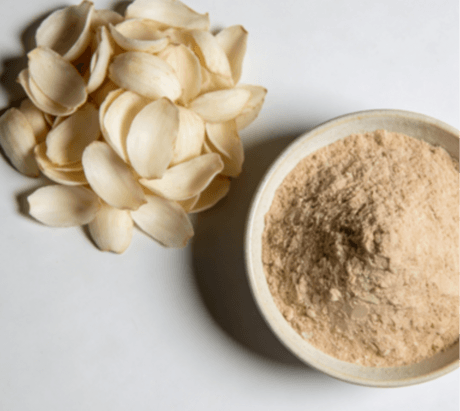
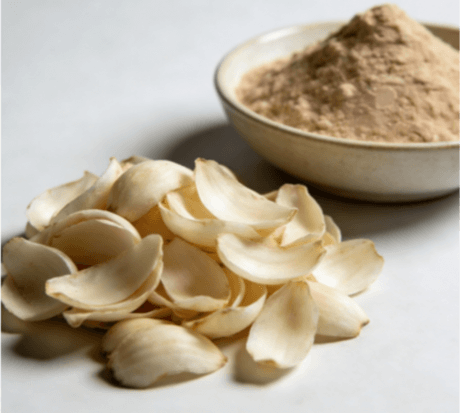
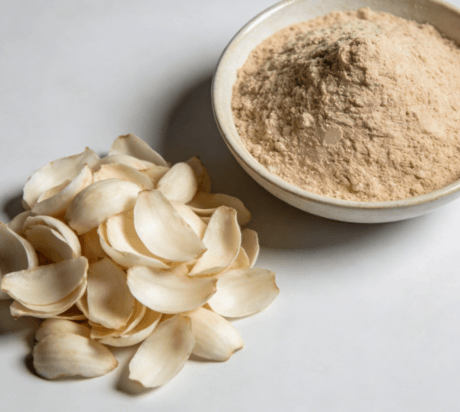
Lily extract, derived from the dried fleshy scales of Lilium species, is a botanical product with rich historical and modern applications. The term "lily" encompasses over 120 species, primarily distributed across temperate regions of the Northern Hemisphere, with China being a significant source of diversity. Among these, Lilium brownii var. viridulum Baker, Lilium lancifolium Thunb (tiger lily), and Lilium pumilum DC. (siberian lily) are commonly used for extraction due to their medicinal properties and cultural significance.
Botanical Characteristics
Lilies are perennial herbaceous plants with bulbous roots, thriving in cool climates and well-drained soils. They exhibit a preference for dry conditions and are sensitive to waterlogging, which can lead to bulb rot. The bulbs, composed of layered scales, are harvested in autumn after the plants have been cleaned and briefly blanched to preserve their active compounds. This process ensures the retention of beneficial constituents such as polysaccharides, proteins, and essential oils.
Extraction Process
The production of lily extract involves several meticulous steps:
Harvesting and Preparation: Mature bulbs are collected, washed, and peeled to access the fleshy scales.
Blanching: Scales are immersed in hot water to inactivate enzymes and prevent degradation.
Drying: Processed scales are dried to reduce moisture content, facilitating subsequent extraction.
Extraction: The dried material undergoes solvent-based extraction using water or ethanol to dissolve active components. This step is often repeated to maximize yield.
Concentration: Extracts are concentrated under reduced pressure to remove solvents, resulting in a viscous liquid or solid form.
Drying: The concentrated extract is spray-dried into a fine powder, which is then standardized for active ingredients like polysaccharides (typically 20-30% concentration).
Chemical Composition
Lily extract is rich in bioactive compounds:
Polysaccharides: These complex carbohydrates are known for their immune-modulating and antioxidant properties.
Proteins and Amino Acids: Essential for cellular repair and metabolic functions.
Fats and Oils: Provide energy and support lipid-soluble nutrient absorption.
Saponins: contribute to the plant's therapeutic effects, including anti-inflammatory and adaptogenic properties.
Applications
Lily extract is utilized across various industries:
Pharmaceuticals: Traditionally used in Chinese medicine for its calming effects, it is incorporated into formulations for respiratory health and stress management.
Functional Foods: Added to beverages and dietary supplements for its nutritional benefits.
Cosmetics: Used in skincare products for its moisturizing and soothing properties.
Animal Health: Incorporated into feed additives to enhance livestock immunity.
Advantages
Natural Origin: Sourced from sustainably grown plants, ensuring eco-friendly production.
Customizable: Available in different concentrations (e.g., 10:1, 20:1 ratios) to meet specific application needs.
Versatile: Suitable for integration into diverse product matrices due to its water-soluble nature.
Quality Assurance
Reputable suppliers adhere to stringent quality control measures, including microbial testing and heavy metal screening, to ensure safety and efficacy. Certifications like GMP compliance further validate the product's reliability.
Conclusion
Lily extract is a versatile botanical ingredient with a wide range of applications, backed by traditional use and modern scientific research. Its rich composition and adaptability make it a valuable resource in health, wellness, and industrial sectors. As demand for natural alternatives grows, lily extract continues to gain prominence as a sustainable and effective solution.

 ×
 首页

 我要采购
 我要供应
 我要推广
 我要投稿