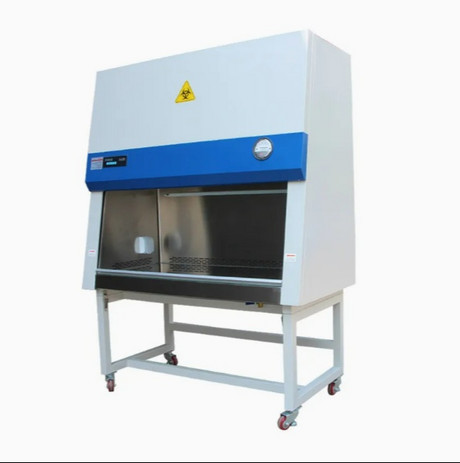
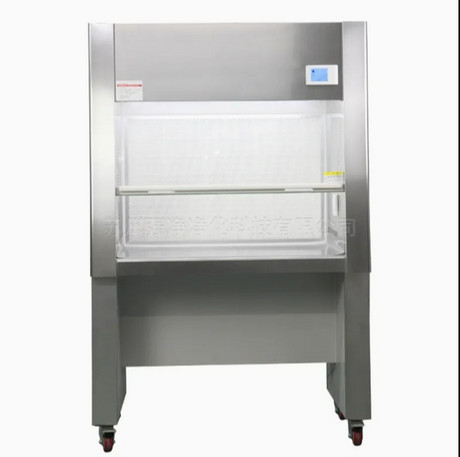
Biosafety Cabinet
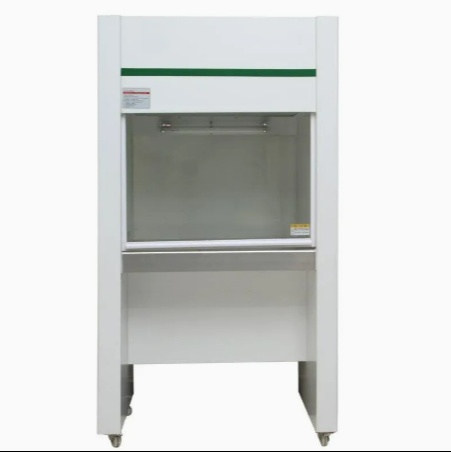
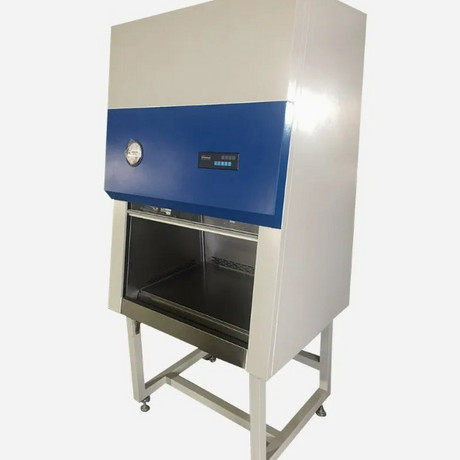
1. Protection Principle and Structure: The biosafety cabinet adopts a unique air flow design to create a negative pressure environment and an efficient filtration system, effectively protecting against biological hazard substances. The cabinet body is made of high-quality stainless steel or other corrosion-resistant materials. Inside, it is equipped with components such as a fan, a high-efficiency particulate air (HEPA) filter, an operating countertop, and a lighting system. The inlet air flow enters from the operation window, passing through a pre-filter and a HEPA filter to ensure that the air entering the cabinet is clean. The exhaust air flow is filtered by the HEPA filter before being discharged, preventing the leakage of harmful microorganisms into the environment.
2. Safety Level and Classification: According to the protection ability and scope of application, biosafety cabinets are classified into Class I, Class II, and Class III. Class I biosafety cabinets only provide protection for personnel and the environment and have no protection for products. They are suitable for handling microorganisms that pose a potential hazard to the human body and the environment. Class II biosafety cabinets provide protection for personnel, the environment, and products at the same time. They are currently the most widely used biosafety cabinets and can be used to handle a variety of biological samples and pathogens. Class III biosafety cabinets provide the highest level of protection and are suitable for handling highly pathogenic microorganisms, such as the Ebola virus and the smallpox virus. The cabinet body is completely airtight, and the operator operates through a glove box.
3. Application Fields: Biosafety cabinets are widely used in fields such as healthcare, biopharmaceuticals, scientific research,and education. In the clinical laboratories of hospitals, they are used to handle samples such as patients' blood and body fluids to prevent medical staff from being infected. In biopharmaceutical enterprises, they are used for microbial operations during the production process to ensure product quality and production safety. In the laboratories of scientific research institutions and universities, they are used for basic research and experimental teaching, providing a safe operating environment for researchers.
4. Performance Characteristics: The biosafety cabinet has a high filtration efficiency, which can filter particles larger than 0.3 microns, and the filtration efficiency for microorganisms can reach more than 99.99%. At the same time, it has good air flow stability and uniformity to ensure that the air flow speed and direction in the operation area meet the standard requirements. In addition, it is equipped with a complete alarm system, such as air flow abnormality alarm and filter blockage alarm, which can promptly remind the operator to take corresponding measures.
5. Maintenance and Upkeep: To ensure the normal operation and protection effect of the biosafety cabinet, regular maintenance and upkeep are required. This includes replacing the HEPA filter, cleaning the operating countertop and the cabinet body, and checking parameters such as air flow speed and pressure. Operators should strictly follow the operation procedures and record the time, content, and results of each maintenance and upkeep. At the same time, the biosafety cabinet should be regularly tested for performance and certified to ensure that it complies with relevant standards and specifications.

 ×
 首页

 我要采购
 我要供应
 我要推广
 我要投稿