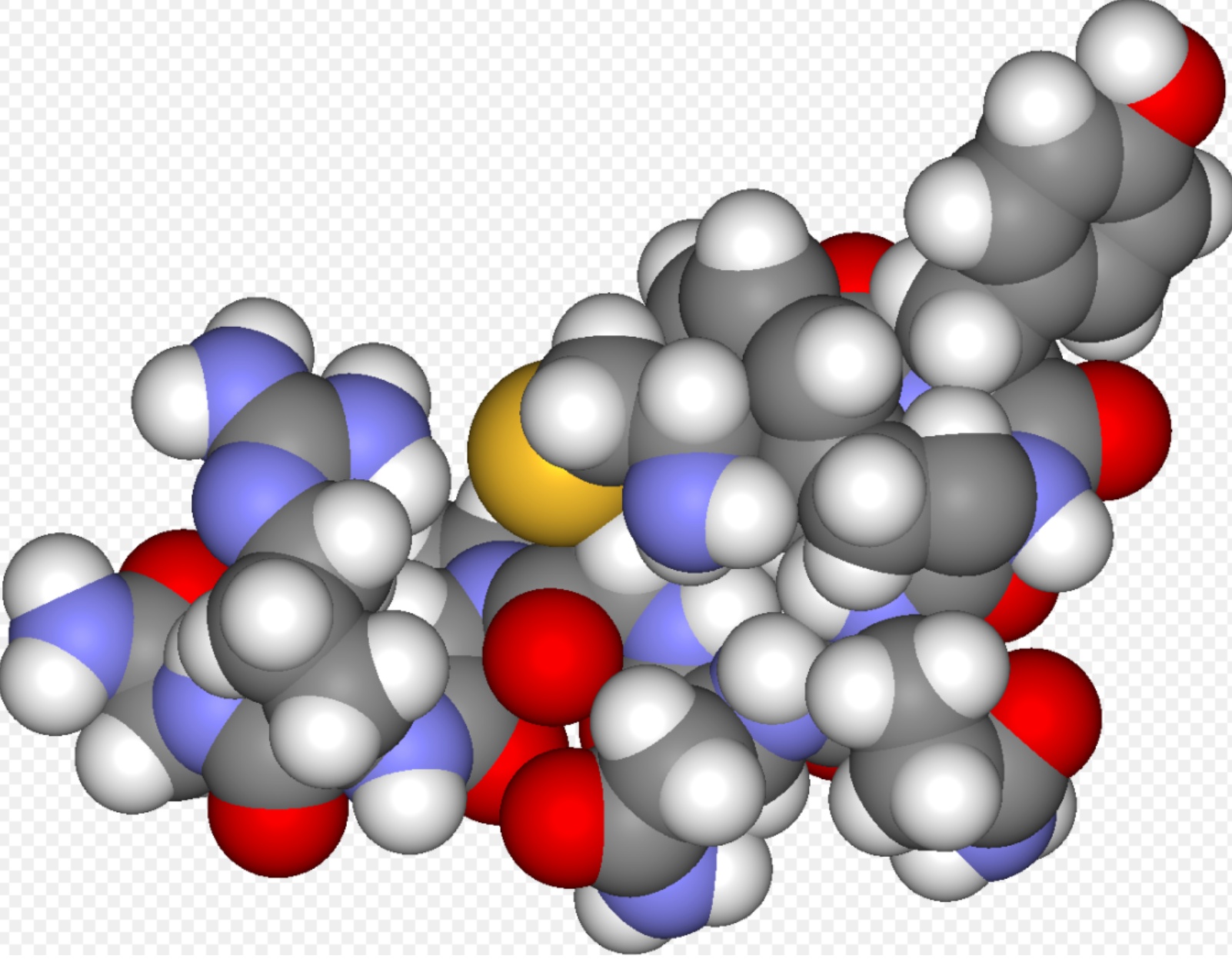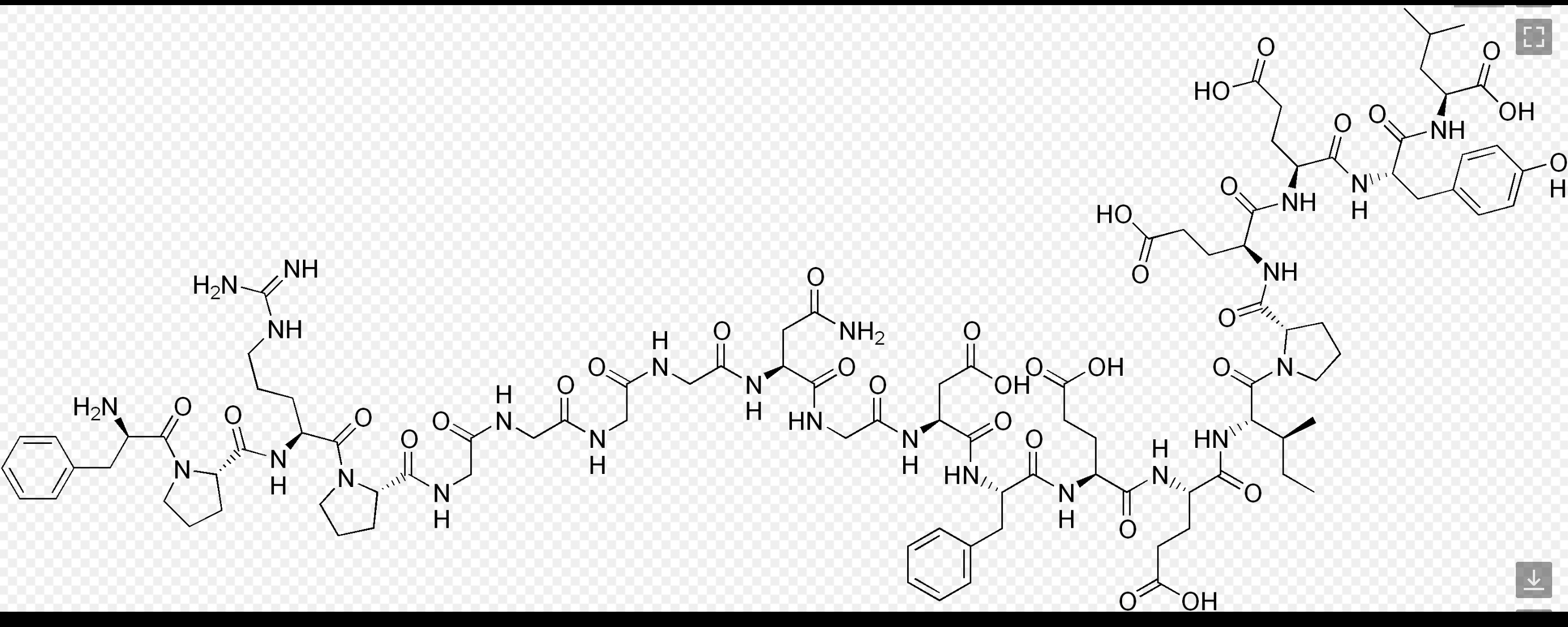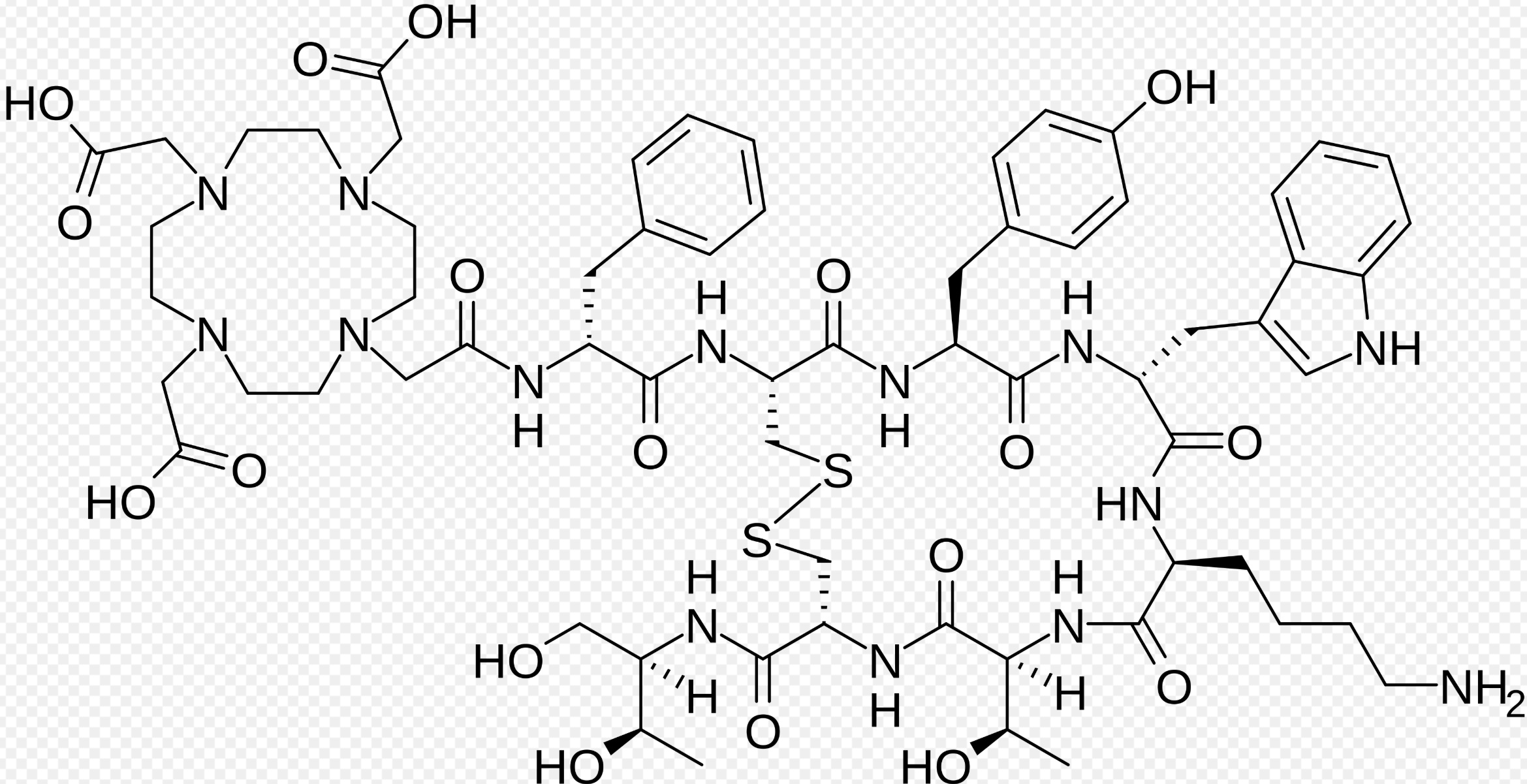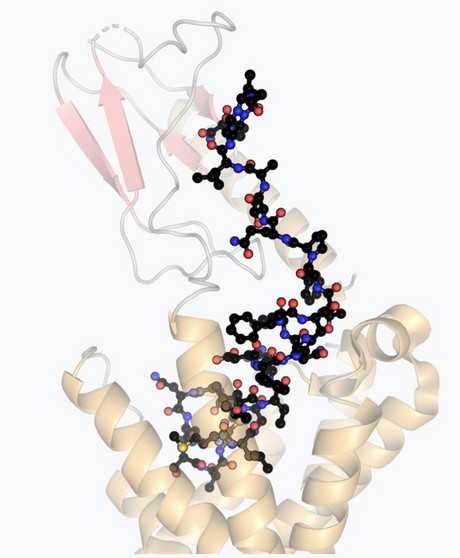
Calcitonin is a hormone that triggers a short-term drop in calcium and phosphate levels in the blood. In humans, it is encoded by the gene CALCA.
It is a 32 amino acid peptide hormone secreted by parafollicular cells (also known as C cells) of the thyroid (or endostyle) in humans and other chordates in the ultimopharyngeal body. By reducing blood calcium (Ca2+), it opposes the effects of parathyroid hormone (PTH).
Its importance in humans has not been as well established as its importance in other animals, as its function is usually not significant in the regulation of normal calcium homeostasis. It belongs to the calcitonin-like protein family.
Calcitonin has clinically been used for metabolic bone disorders for more than 50 years. Salmon calcitonin is used for the treatment of:
It has been investigated as a possible non-operative treatment for spinal stenosis.
The following information is from the UK Electronic Medicines Compendium
Salmon calcitonin is rapidly absorbed and eliminated. Peak plasma concentrations are attained within the first hour of administration.
Animal studies have shown that calcitonin is primarily metabolised via proteolysis in the kidney following parenteral administration. The metabolites lack the specific biological activity of calcitonin. Bioavailability following subcutaneous and intramuscular injection in humans is high and similar for the two routes of administration (71% and 66%, respectively).
Calcitonin has short absorption and elimination half-lives of 10–15 minutes and 50–80 minutes, respectively. Salmon calcitonin is primarily and almost exclusively degraded in the kidneys, forming pharmacologically inactive fragments of the molecule. Therefore, the metabolic clearance is much lower in patients with end-stage kidney failure than in healthy subjects. However, the clinical relevance of this finding is not known. Plasma protein binding is 30% to 40%.

 ×
 首页

 我要采购
 我要供应
 我要推广
 我要投稿