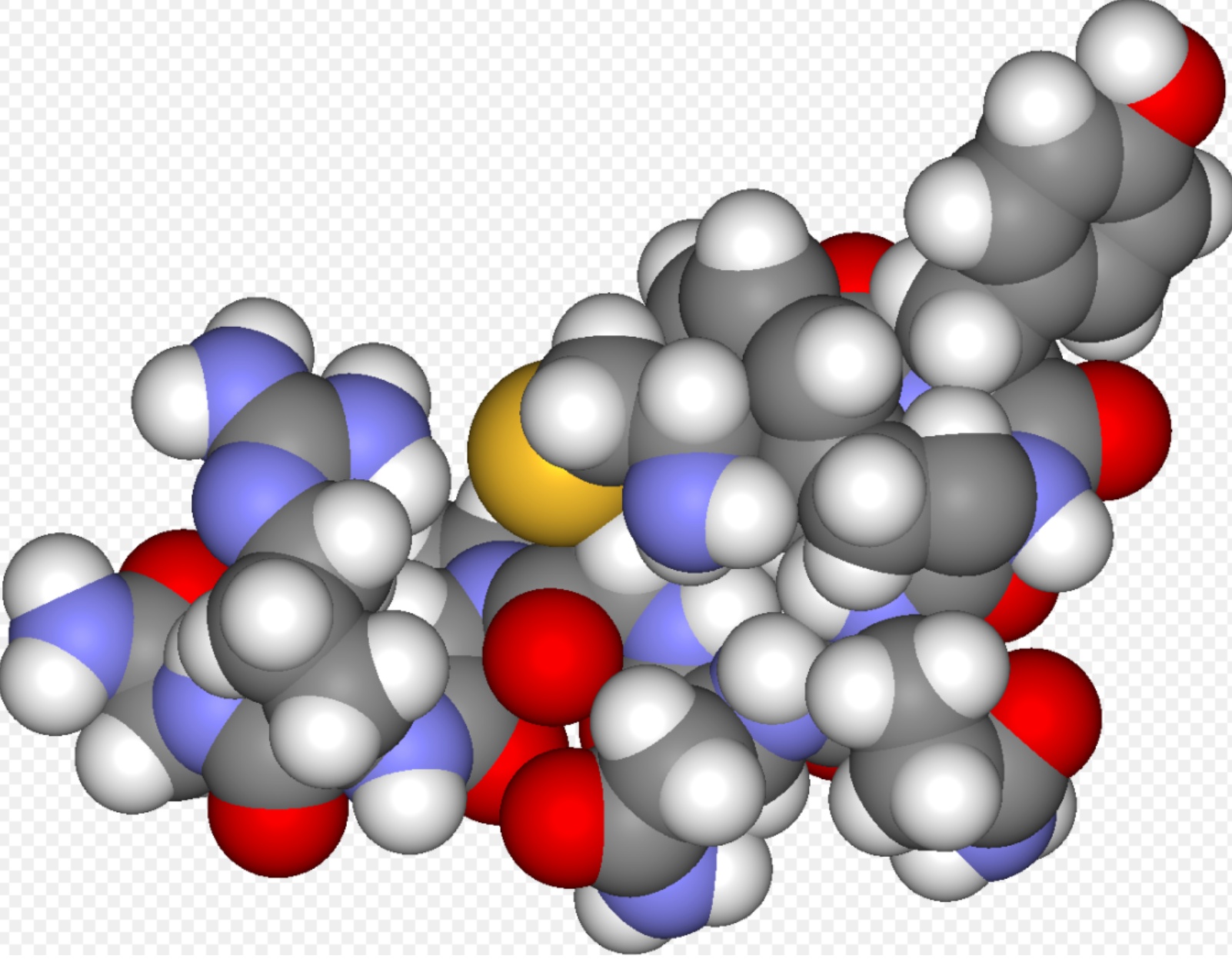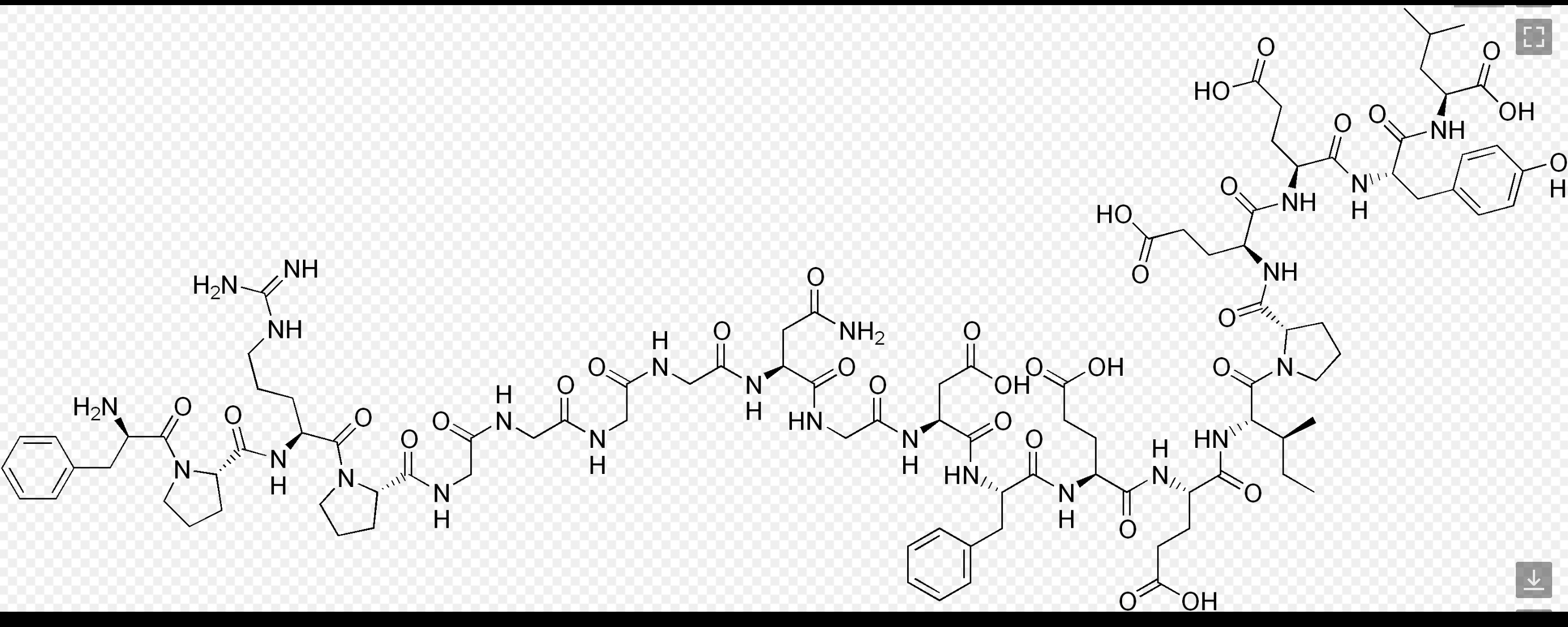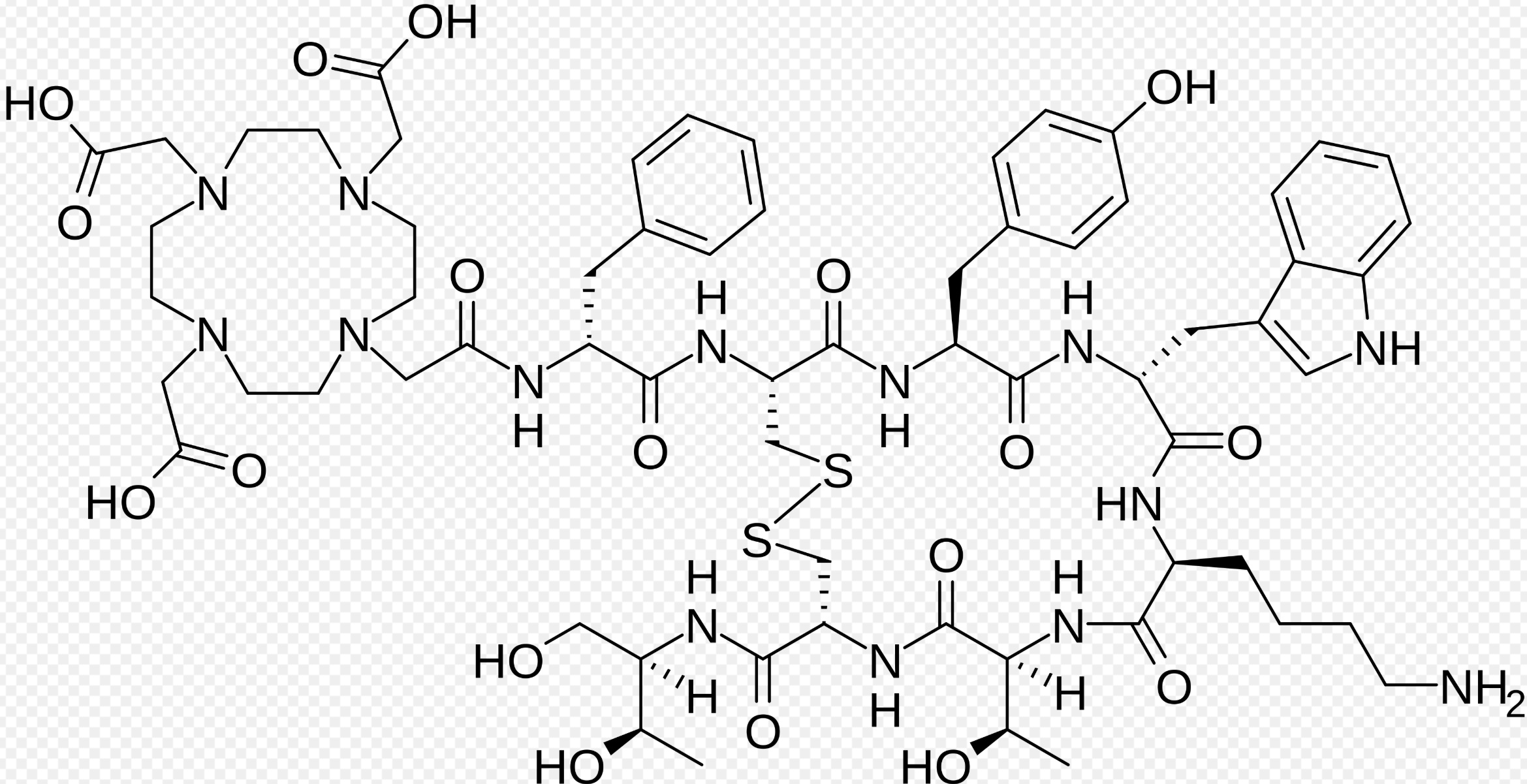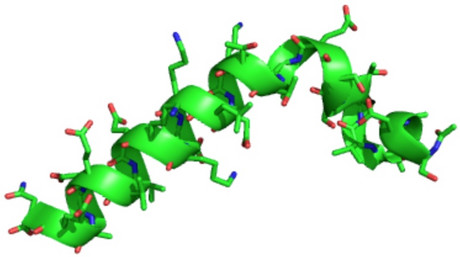
Thymosin α1 is a peptide fragment derived from prothymosin alpha, a protein that in humans is encoded by the PTMA gene.
It was the first of the peptides from Thymosin Fraction 5 to be completely sequenced and synthesized. Unlike β thymosins, to which it is genetically and chemically unrelated, thymosin α1 is produced as a 28-amino acid fragment having the sequence Ac-SDAAVDTSSEITTKDLKEKKEVEEEAEN, which is made from cleavage of a longer, 113-amino acid precursor, prothymosin α.
Thymosin α1 is approved in some countries for the treatment of Hepatitis B and C, and it is also used to boost the immune response in the treatment of other diseases. The synthetic version of Thymosin α1 is known as Thymalfasin and is sold under the brand name Zadaxin.
Thymosin α1 is usually administered by subcutaneous injection

 ×
 首页

 我要采购
 我要供应
 我要推广
 我要投稿