山东鹰眼机械科技有限公司

2
Years
山东鹰眼机械科技有限公司
山东鹰眼机械科技有限公司
山东鹰眼机械科技有限公司
山东鹰眼机械科技有限公司

公司简介

查看全部
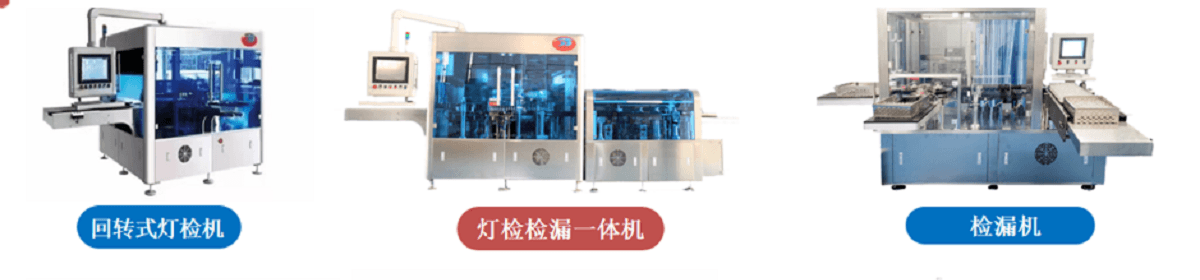
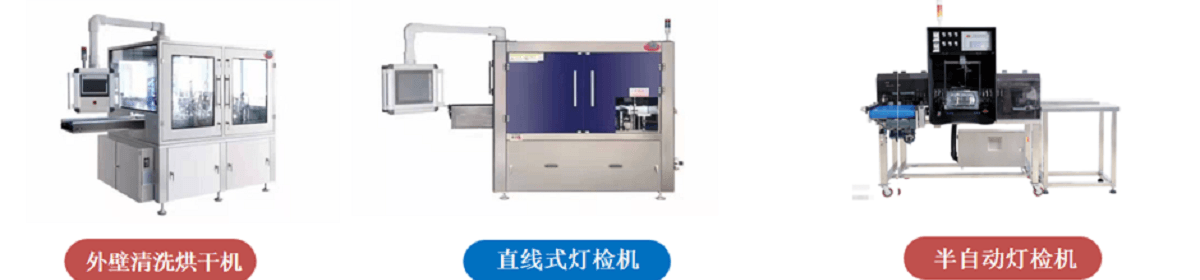
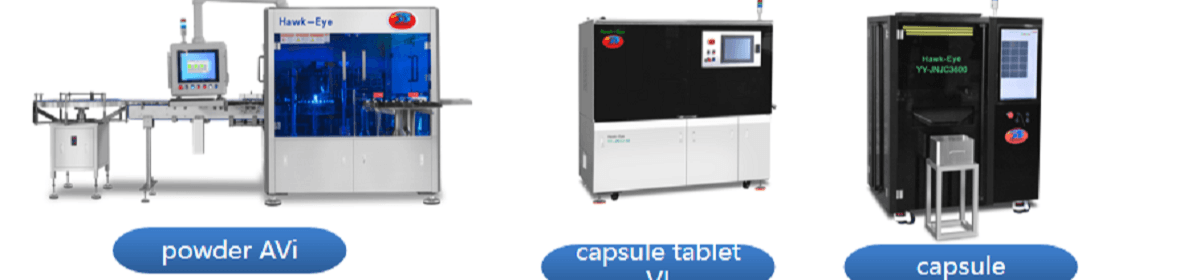
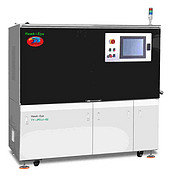
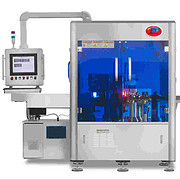
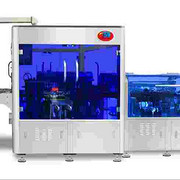
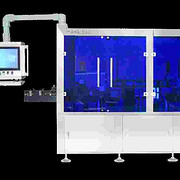
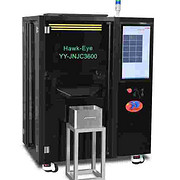
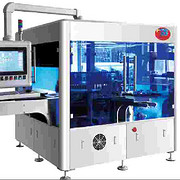
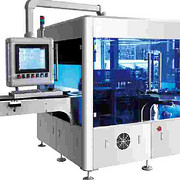
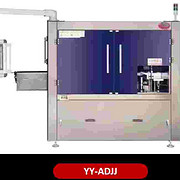
山东鹰眼机械科技有限公司 灯检专家   全自动 半自动灯检机系列--(口服液、糖浆全自动灯检机;安瓿瓶水针全自动灯检机;西林瓶冻干粉、粉针全自动灯检机;西林瓶水针全自动灯检机;大输液全自动灯检机;片剂 胶囊灯检系列)。  瓶外壁清洗机--(口服液、糖浆瓶外壁清洗机、西林瓶瓶外壁清洗机)。  后道整段包装线--(贴标机、分托机、贴标入托一体机、装盒机、装箱机、码垛机)。 公司拥有先进的生产技术、科学的生产管理体系和便捷的物流支持。 鹰眼公司总裁孙雪礼敏锐察觉市场方向,联合院校研发出前瞻性的机械设备,使企业更有创造力、活力和生命力。 标准化、系列化和通用化融入我们的每一张设计图纸; 现代化的数控机床保证了零部件制造的精密度; 与各大院校紧密合作,培养高科技人才,使鹰眼始终紧跟市场潮流,及时洞察市场的变化,来成就客户创造价值。 “一流管理、一流技术、一流产品、一流服务”是我们鹰眼的企业宗旨; 鹰眼将以质优价廉、性能良好、高效服务的理念来为您免除后顾之忧。 欢迎新老客户前来考察指导!
山东鹰眼机械科技有限公司
主要销售市场
中国,北美洲,中/南美洲,西欧,东欧,大洋洲,中东,非洲,亚洲
成立年份
2018
人员规模
90至99
年销售额(USD)
15,000,000至19,999,999
联系人
Li Da Wei
联系电话
86-0535-6730466
快速询盘
请输入询盘主题
请输入询盘信息
快速发送询盘

公司证书

查看全部
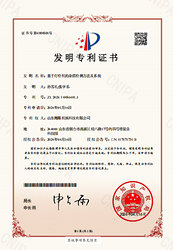
发明专利 基于灯检机的杂质检测方法和系统
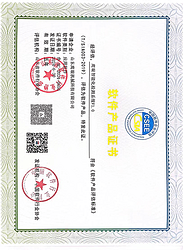
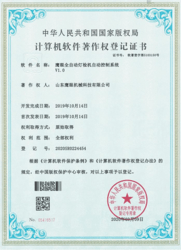
软件产品证书
软件产品证书
软件产品证书
软件产品证书

新闻资讯

查看全部
Oral solid dosage (OSD) manufacturing
Oral solid dosage (OSD) manufacturing is a multifaceted process based on adherence to stringent regulatory guidelines, efficient workflow management, and uncompromising quality control measures. This article delves into the critical aspects of OSD manufacturing and the importance of understanding and implementing regulatory guidelines within the context of quality. It also explores the key considerations for manufacturing, emphasizing the need for a clear description of the process, technical justifications for any changes, and a comparative analysis of approved versus proposed processes.The critical aspects of OSD manufacturing include:· Chemical Documentation: This involves detailed information on the chemical properties of the drug substance, excipients, and the final product. It is essential to ensure that any changes in the chemical composition do not adversely affect the product's safety, efficacy, or quality.· Manufacturing and Controls: Changes in the manufacturing process, equipment, or site can impact the product's quality. Maintaining stringent controls and validating any changes to the manufacturing process are crucial to ensure consistent product quality.· In-vitro Dissolution Testing: This testing is critical to ensure that the drug’s release from the OSD is consistent and within specified parameters. Any changes to the formulation or manufacturing process that could affect dissolution rates must be thoroughly tested.· In-vivo Bioequivalence: When changes are made to an OSD, it is necessary to demonstrate that the modified product is bioequivalent to the original product. This means the product must show the same bioavailability and therapeutic effect.Key Regulatory Guidelines For OSD· SUPAC-IR (scale-up and post-approval changes for immediate release solid oral dosage forms): This guidance provides a framework for managing changes in components, composition, manufacturing sites, batch sizes, and manufacturing processes for immediate release OSDs.· SUPAC-MR (scale-up and post-approval changes for modified release solid oral dosage forms): Like the SUPAC-IR, this guidance addresses post-approval changes for modified release OSDs, including chemistry, manufacturing, and controls; in vitro dissolution testing; and in vivo bioequivalence documentation.· Quality System Guidances, such as:o Pharmaceutical Quality System/Quality System Guidances Guidance for Industry Quality Systems Approach to Pharmaceutical CGMP Regulations (September 2006).o Guidance for industry Immediate Release Solid Oral Dosage Forms: Scale-Up and Post-approval Changes: Chemistry, Manufacturing, and Controls, In Vitro Dissolution Testing, and In Vivo Bioequivalence Documentation (November 1995).o Guidance for industry Nonsterile Semisolid Dosage Forms: Scale-Up and Post-approval Changes: Chemistry, Manufacturing, and Controls; In Vitro Release Testing and In Vivo Bioequivalence Documentation (May 1997).o Guidance for Industry, Process Validation: General Principles and Practices (FDA, January 2011).o Dissolution Testing of Immediate Release Solid Oral Dosage Forms (FDA, 1997).o FDA's Quality Systems Approach to Pharmaceutical cGMP Regulations (October 2006).· Process Validation, such as:o ASEAN Guidelines for Validation of Analytical Procedures.o Current pharmacopoeias (e.g., United States Pharmacopoeia, European Pharmacopoeia, and Japanese Pharmacopoeia).o FDA Guidance for Industry, Process Validation: General Principles and Practices.o Health Canada's guidelines and Good Manufacturing Practices (GMP) regulations.· ICH Guidelines: The International Council for Harmonisation of Technical Requirements for Pharmaceuticals for Human Use (ICH) provides several guidelines relevant to OSD manufacturing, including Q8(R2), Pharmaceutical Development, Q7, Good Manufacturing Practice for Active Pharmaceutical Ingredients, and others that may apply depending on the specific changes.It is important to consult the most recent versions of these guidelines and to engage with regulatory authorities early in the process of making changes to ensure compliance and facilitate a smooth approval process.Production Management in OSD ManufacturingA series of structured activities and processes is necessary to ensure that the production of tablets, capsules, and powders is carried out efficiently, safely, and in compliance with regulatory standards. Here are key aspects of workflow management in OSD manufacturing:1. Batch Formula Management: The batch formula must be well defined before manufacturing begins. This includes listing all dosage form components, with their amounts on a per-batch basis. This ensures consistency and traceability in production.2. Process Validation: A validation scheme should be followed to confirm that the manufacturing process produces a product meeting its predetermined specifications. This includes:o Design Qualification (DQ): Ensure the design of the manufacturing process is suitable for its intended purpose.o Installation Qualification (IQ): Verify that equipment and systems are installed correctly.o Operational Qualification (OQ): Ensure the equipment and systems operate according to their operational specifications.o Performance Qualification (PQ): Provide documented verification that the entire process operates within the anticipated operating ranges..3. Dust Control and Cross-contamination: Special attention is required in the design, maintenance, and use of premises and equipment to control dust and prevent cross-contamination, which is critical in OSD manufacturing.4. Pressure Cascade and Air Handling: Implement a pressure cascade system to ensure that air flows from areas of higher pressure to lower pressure, maintaining cleanroom standards and preventing contamination.5. Point Extraction: Use point extraction systems to remove dust and maintain air quality, with the extraction point located as close as possible to the source of the dust.6. Equipment and Facility Design: Design equipment and facilities to facilitate easy cleaning, maintenance, and efficient workflow. This includes the use of pass-through hatches or pass boxes to maintain segregation and pressure differentials between different manufacturing zones.7. Manufacturing Process Development: Optimize the manufacturing process, including critical process parameters, to ensure consistent product quality. This involves understanding the impact of process changes on product performance and ensuring that any differences between clinical and commercial batches are well understood and justified.8. Quality Control and Specifications: Establish release and shelf-life specifications for the OSD product, including in-process controls, dissolution profile testing, and ensuring that the product meets all quality criteria throughout its shelf life.9. Documentation and Record-Keeping: Maintain thorough documentation, including batch records, validation reports, and change control records, to ensure traceability and compliance with regulatory requirements.10. Regulatory Compliance: Adhere to guidelines and regulations set forth by regulatory bodies such as the U.S. FDA, including SUPAC guidelines for IR (immediate release) and MR (modified release) solid oral dosage forms, and ASEAN guidelines for manufacturing process validation.11. Continuous Improvement: Implementing a system for continuous monitoring and improvement of the manufacturing process, including quality by design (QbD) principles and risk management strategies.Comparative Analysis Of Approved Versus Proposed OSD Manufacturing ProcessesIn the pursuit of innovation and optimization within OSD manufacturing, it's imperative to adhere to stringent regulatory guidelines while striving for enhanced efficiency and quality. Here's a table that demonstrates the comparison between the approved and proposed manufacturing processes: To summarize, manufacturing OSD forms requires rigorous adherence to regulatory guidelines, meticulous workflow management, and unwavering commitment to quality control. This article highlights critical aspects of OSD manufacturing, including regulatory compliance, workflow considerations, and quality imperatives. By adhering to guidelines such as the SUPAC and ASEAN and prioritizing factors like batch formula management and process validation, manufacturers can ensure the safe and effective delivery of medications to patients worldwide.
2025-03-19
查看详情
What is GMP?
GMPGMP refers to the Good Manufacturing Practice regulations promulgated by the US Food and Drug Administration under the authority of the Federal Food, Drug, and Cosmetic Act (See Chapter IV for food, and Chapter V, Subchapters  A, B, C, D, and E  for drugs and devices.) These regulations, which have the force of law, require that manufacturers, processors, and packagers of drugs, medical devices, some food, and blood take proactive steps to ensure that their products are safe, pure, and effective.GMP regulations require a quality approach to manufacturing, enabling companies to minimize or eliminate instances of contamination, mixups, and errors.  This protects the consumer from purchasing a product which is not effective or even dangerous. Failure of firms to comply with GMP regulations can result in very serious consequences including recall, seizure, fines, and jail time.GMP regulations address issues including record keeping, personnel qualifications, sanitation, cleanliness, equipment verification, process validation, and complaint handling. Most GMP requirements are very general and open-ended, allowing each manufacturer to decide individually how to best implement the necessary controls. This provides much flexibility, but also requires that the manufacturer interpret the requirements in a manner which makes sense for each individual business.GMP is also sometimes referred to as "cGMP". The "c" stands for "current," reminding manufacturers that they must employ technologies and systems which are up-to-date in order to comply with the regulation. Systems and equipment used to prevent contamination, mixups, and errors, which may have been first-rate 20 years ago may be less than adequate by current standards.
2025-03-19
查看详情
2006-2026 上海博华国际展览有限公司版权所有(保留一切权利)
沪ICP备05034851号-57